Cardinity is now part of


For years, digital publishing has relied heavily on a one-size-fits-all model: the monthly subscription. While this approach has driven predictable recurring revenue, it no longer reflects how readers actually consume content.
Today’s audiences want flexibility. They don’t just “subscribe”; they dip in, binge, follow events, read seasonally and then drop off when they no longer find value in the content.
For digital publishing platforms, from e-books to journalistic web pages and educational content, the opportunity is clear: move beyond fixed monthly subscriptions and build flexible plans that match real reading behaviour.
Done well, flexibility doesn’t reduce revenue. It increases conversion, retention and lifetime value.
What’s in this blog:
The monthly subscription model for digital publishing companies assumes users consume content consistently every month and that there are only two options: subscribe or churn.
In reality, reading behaviour is far more irregular.
A user might:
When the pricing structure doesn’t match usage patterns, users often opt out entirely rather than commit.
That’s where flexibility becomes a part of your growth strategy.
If the traditional method is no longer working for today’s consumer base, then what are the options?
Not every user wants a subscription. Some just want access now.
Day passes or 24-hour access models allow users to access the content they want during a specific moment of interest and to try the platform with minimal commitment.
This model works particularly well for:
Although this type of reader are not bringing in recurring revenue right away, you could miss out on a large audience base and, therefore, revenue, if you don’t offer this little to no commitment plan.
Instead of selling time-based access, online publishing platforms can sell moment-based access.
For example:
This aligns monetisation with intent, not just time. It also creates urgency, a powerful driver of conversion.
Monthly billing is often the default, not the optimal choice.
Offering alternatives such as weekly subscriptions or quarterly or annual plans can significantly improve acquisition by reducing psychological friction and provide options that suit the readers lifestyle or financial situation.
Even when lifetime value remains similar, removing the “monthly lock-in” perception can lift conversion rates.
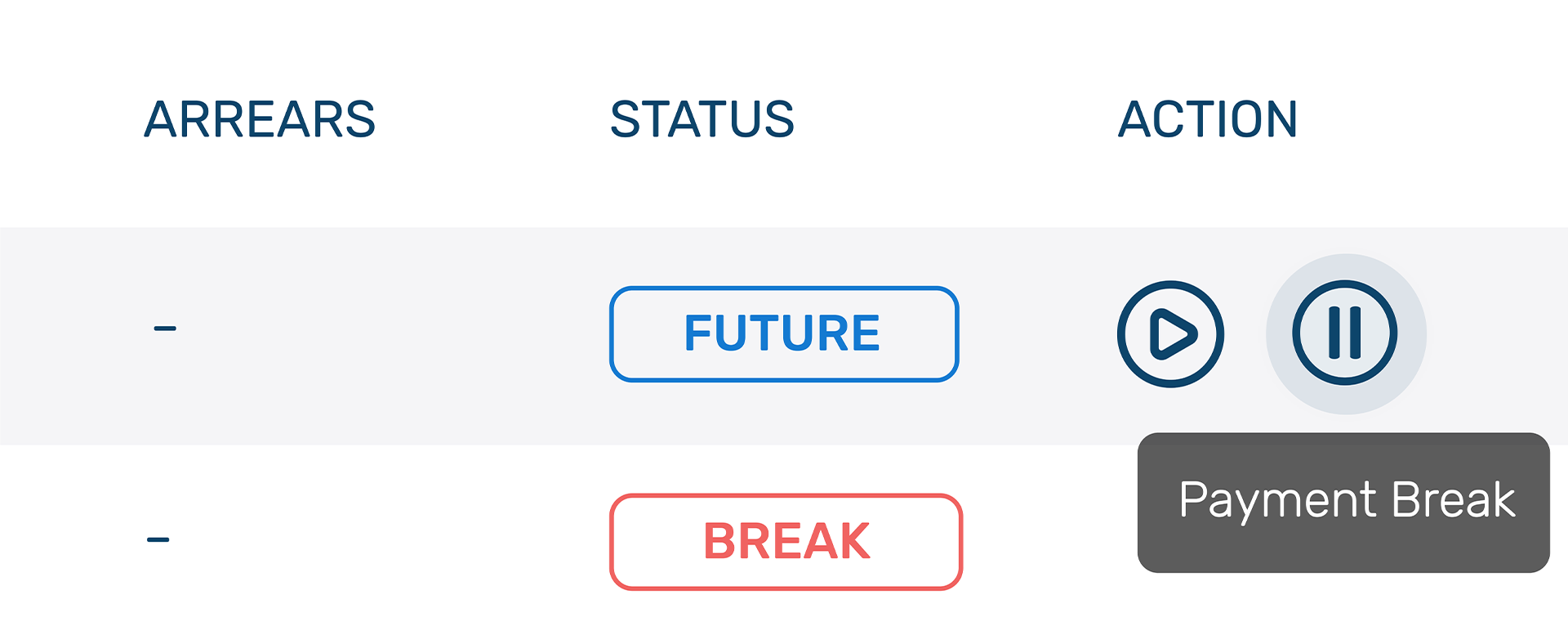
One of the most effective retention tools is surprisingly simple: the ability to pause subscriptions.
There are many reasons why a user may want to cancel, for example, they could be travelling or temporarily time poor, and they don’t want to waste their money on a service they can’t currently use.
In situations like these that are temporary, a pause option is much more beneficial. This small feature can meaningfully reduce churn.
For platforms with mixed content types, prepaid credit systems can be powerful.
For example, you could allow your users to:
This decouples payment from rigid time periods and instead aligns it with actual consumption.
At first glance, more flexible pricing might seem like it risks lowering ARPU. It may seem counterproductive to allow your readers to pause subscriptions or only drop in now and then, but in practice, it often does the opposite.
Flexibility drives:
The result: a healthier revenue mix across short-term and long-term users.
Although these flexible pricing options are worthwhile, they only only work if payment friction is low too. Long-winded checkout flows and payment failures will put anyone off continuing with your service.
A smooth checkout needs:
Without these, it doesn’t matter how flexible your service is; payment friction kills conversion.
Behind every successful, flexible monetisation model is a strong payments foundation.
Platforms need systems that can:
This is where modern payment providers play a critical role, not just processing transactions, but enabling product strategy.
The most successful digital publishers are increasingly treating payments as a core part of the user experience, not a back-office function.
To summarise:
Digital publishing is shifting from static subscriptions to dynamic access models.
Readers don’t want to be locked into a single monthly commitment. They want control and flexibility in how they pay for content.
The next wave of growth in digital publishing won’t come from raising subscription prices. It will come from rethinking how access itself is monetised.
If you’re ready to upgrade your subscription model, take a look at how our solutions package is built for digital publishing platforms like yours.