Cardinity is now part of

Malaysia is one of Southeast Asia’s fastest-growing digital payment markets, making it an exciting country, full of opportunity, to expand your business into.
With a highly digital-savvy population and strong government support for cashless initiatives, the country has rapidly shifted from cash-first to mobile-first payments.
If you want to succeed here, businesses need to take this market trend onboard and support a mix of e-wallets, real-time bank transfers, cards and QR payments to maximise conversion and meet local expectations. Ignoring it will only bring you more challenges.
That’s why we’re breaking it all down for you, covering the most important payment methods in Malaysia and how they impact your checkout strategy.
Before we dive into the payment methods, let’s take a closer look at Malaysia’s payment ecosystem. It has undergone a major transformation in recent years, rapidly moving away from cash. A study from Visa shows just how much digital payments now dominate.
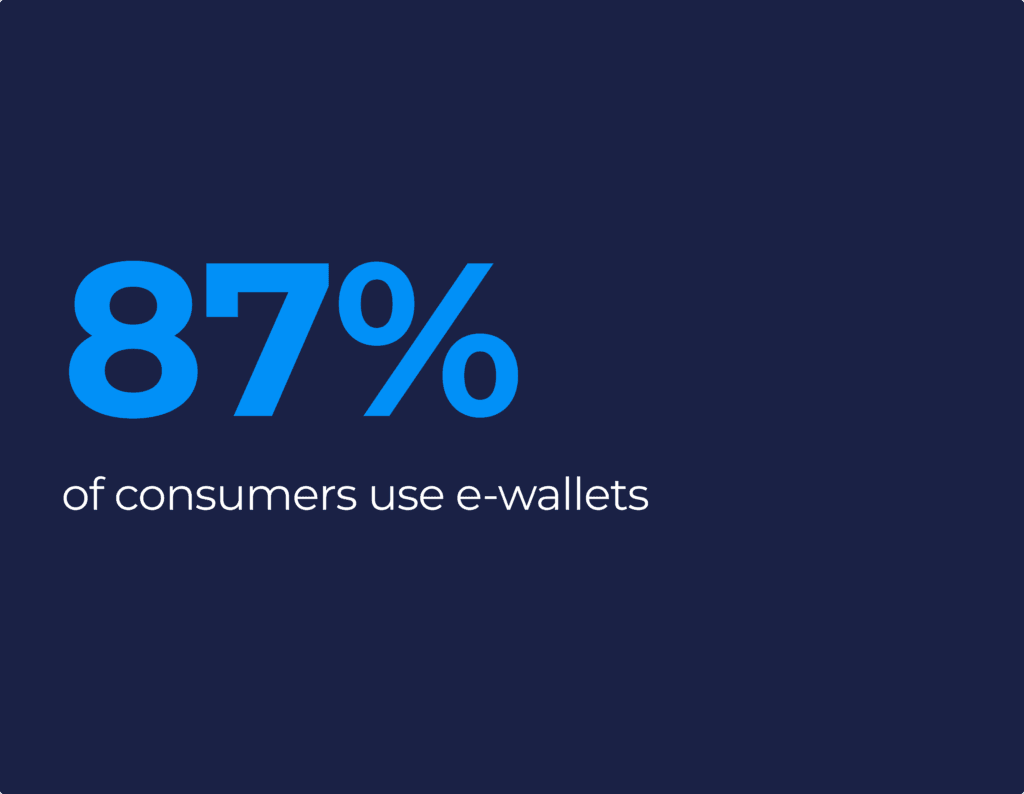
Here are a few statistics to highlight this trend:
While cash is still used in rural areas and small businesses, digital payments are taking over in urban commerce, ecommerce and mobile-first transactions.
For merchants, this means one thing: Local payment method support is essential for conversion.
As the stat above shows, e-wallets are the leading payment method in Malaysia, particularly among younger consumers and mobile-first users.
Popular options include:
These wallets allow users to pay via QR codes, in-app payments or contactless NFC.
Why they matter:
GrabPay alone has over 100 million users across Southeast Asia, so it’s a no-brainer to offer this e-wallet to help you gain trust across the region.
Simply put, if you don’t offer e-wallets, you risk losing a significant share of transactions.
QR payments were dominating the region way before the West adopted the method during COVID-19, and is still a defining feature of Malaysia’s payment ecosystem.
The national standard, DuitNow QR, allows users to pay using any participating bank or wallet app by scanning a single QR code.
Common use cases:
Why they matter:
QR codes will be spotted everywhere across retail environments, from small stalls to large chains.
Bank transfers remain a core, trusted payment method, especially for higher-value purchases.
Key systems include:
Why they matter for consumers:
Why they matter for merchants:
FPX is considered one of the most popular online payment methods in Malaysia for secure, high-value items. Whereas DuitNow is much more widely used for day-to-day transactions. So depending on your business model and what service you’re providing will determine which method is more suitable for you.
It is important to note that cards are still widely used, so you don’t want to disregard them completely, particularly for:
Contactless “tap-and-go” payments are standard across most terminals.
Although cards are no longer dominant, especially for smaller transactions due to the rise of e-wallets and QR payments, diversity is key to ensure you cover all consumer preferences.
Let’s not forget the big global payment methods too.
For cross-border commerce, Malaysians also use:
Common use cases:
It’s likely that you’ll already have at least one of these payment methods integrated into your checkout so are an easy win. But, you can’t rely on these alone. Offering these as part of a wider choice alongside local payment methods is what will set you apart from your competitors.
There are plenty of options to choose from, so which one should you choose for your business? We know it may not be realistic to say all of them, so to really succeed in Malaysia, here are a few considerations to think about when choosing which payment method to offer:
Considering these points carefully is crucial to ensure you offer the right mix of local payment methods to increase conversion rates, reduce cart abandonment and improve customer experience.
To wrap up, Malaysia’s payment landscape is fast, mobile and highly localised. E-wallets and QR payments dominate everyday spending, while bank transfers and cards still play important supporting roles.
For businesses, success comes down to one principle: Offer the payment methods your customers already use. In Malaysia, that means prioritising wallets, QR and real-time bank payments, not just cards.
If it’s not just Malaysia that you’re expanding into, and want to know more about the landscape of Southeast Asia, take a look at our local payment methods guide.