Cardinity is now part of

Accepting recurring payments is an effective way for your business to improve its cash flow. Why? Well, it’s essentially recurring revenue, which makes it much easier to predict future revenue.
However, accepting recurring payments is just the start. Being able to efficiently manage them is just as important to ensure collections remain on time, retention is high and reconciliation is seamless.
So, how do you manage recurring payments to really make the most out of them? In this blog, we’ll take a look at our top tips on how to handle recurring payments.
What’s in this article:
Before we delve into the management of recurring payments, let’s briefly take a look at the challenges that come alongside them. That way, you’ll get a better understanding of the importance of each management feature.
Our tips to manage recurring payments
Simply accepting recurring payments isn’t enough, especially in such a competitive market these days. Customer loyalty can be hard to come by; 32% of customers will cancel their service if they receive a single bad experience. That’s a high percentage that won’t give you a second chance!
So, being able to manage recurring payments properly to retain your customers should be just as important within your business strategy as attracting new ones.
Here are our top tips on how to manage recurring payments:
Who doesn’t like an automated process? Recurring payments don’t just have to be automated for the customers but can be for the merchant too. With the right platform, you won’t need to manually take the payments every time. As soon as they are set up, the funds will automatically be taken on the agreed date, saving your business time and resource. Not only that, but it will also improve accuracy, reducing the amount of data-input errors.
And since they are automated for the customers, those funds should keep on coming like clockwork.
There will be times when payments fail; it’s completely normal and nothing to worry about as long as you have the right tools in place to reconcile them. They can fail due to a number of reasons, but most commonly it will be down to expired card details or not enough funds in the customer’s account.
You can easily rectify these with a few smart tools, like multi-card registration, account updater and auto-rebiller. So, just like everything in business, as long as you have a plan in place to manage failed recurring payments, then you’re in a good position.
Find out more about these tools from our recurring payments page and see how we can help you get those payments paid.
There are certain times that are more suitable for consumers to make payments, and everyone is different. This is where your data will come into play. Based on failure and success rates, our Unified Platform can utilise this information to work out optimum billing times to increase your chances of a successful payment first time.
Knowledge is power in most instances, certainly when it comes to collecting recurring payments. We’ve already covered how it can influence optimum billing times, but it can also help you keep track of payment statuses, learn from customer behaviour and trends and build business strategies for the future.
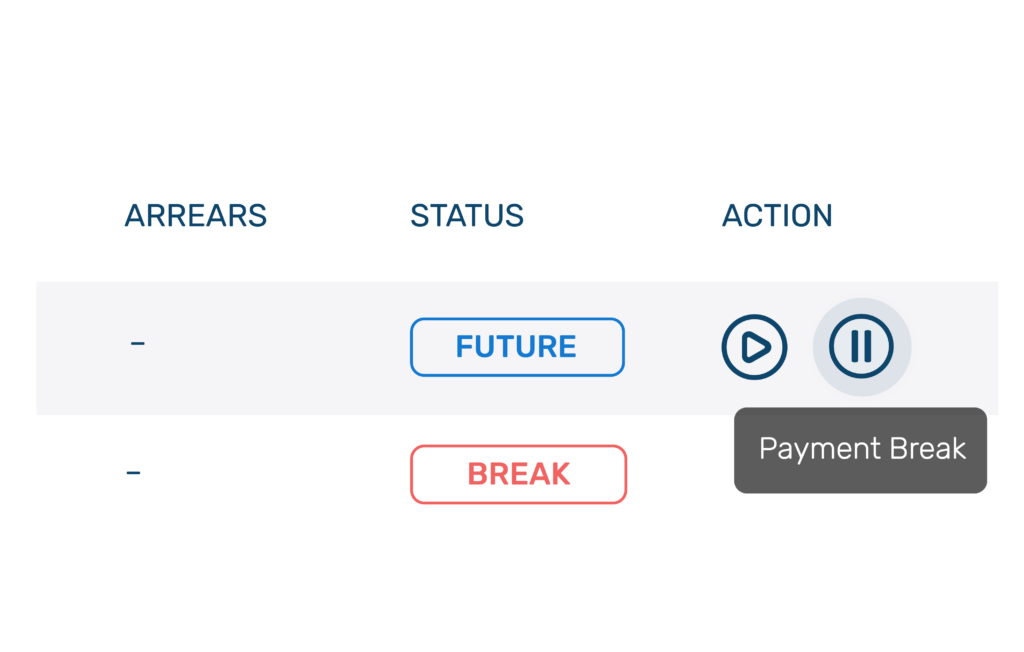
Want to beat churn? The dreaded word for all merchants. The best way to manage recurring payments so that your customers stay loyal is to give them control. Offer flexible schedules with the ability to take payment breaks – a pause in the subscription is better than a cancellation.
Making your product or service easily slot into your customers’ lives, rather than being a burden, is a sure way to guarantee customer satisfaction.
Last, but certainly not least, is communication. If you want to avoid a chargeback, you’ll want to keep your business at the forefront of your customers’ minds. We’re not talking about marketing communications, we’re talking about being upfront about your billing policies so that they know what they are signing up for. Clear communication builds trust and reduces disputes.
This includes any issues that occur, payment reminders and how the transaction will appear on their bank statement. It’s not always super clear with your brand name in the description. As long as the customer is aware of how it will appear, they will recognise the transaction and know that it’s you.
If you’re accepting cross-border recurring payments, then localising your checkout to target different markets would be really beneficial. For example, consumers want to be able to see what your service costs in their own currency. This builds trust and familiarity, resulting in increased conversions.
As a merchant, recurring payments can be an absolute game-changer! There are many perks when managed correctly, making it a priority to get it right.
So, on top of tackling the key challenges above, here are the main reasons why it’s so important to manage recurring payments:
In a nutshell, recurring payments can be a merchant's best friend when done right. They bring financial stability and allow you to predict future revenue – crucial for making business decisions.
It's no wonder why businesses everywhere are embracing the power of recurring payments!
If you want to implement all these tips, then you’re going to need a payment provider with the tools and infrastructure to support them. That’s where Nomupay comes in. Here’s a quick overview of how our recurring payment solutions can help you manage them to success:
Additionally, here are some queries we’ve received where our features have helped merchants.
What if my customer’s transaction is declined?
There are reconciliation features in place to ensure the transaction goes through. If it’s due to a lack of funds, then the payment can be automatically retried at a different time, or you can send a pay by link so that the customer can make the payment at a time that suits them.
What if my customer’s card is out-of-date?
No problem, our network token tool will automatically update expired, lost or stolen cards with their latest card information.
Will getting a new debit card stop their recurring payments?
No, getting a new card will not stop recurring payments that are set up if you utilise network tokens. Just like above, the customer’s card details will automatically update so there’s no interruption to their payments.
What if the customer wants to stop recurring payments on their credit card?
If the customer wants to cancel their recurring payments, depending on the reason, you have a couple of options. You can either offer multi-card registration so that the payments can be taken from a different card or offer them a break in the schedule if it’s due to financial strains. So, don’t worry, there are a few tactics to prevent losing the customer altogether.
Are you ready to see the benefits recurring payments could have for your business? Now you know all the tricks to efficiently manage recurring payments, have a chat with one of our payments specialists and let’s get you set up. Alternatively, why not check out some more tips on the best ways to accept recurring payments?